

 Back to Blogs
Fall Exterior Updates to Improve Curb Appeal: A Practical Homeowner Guide
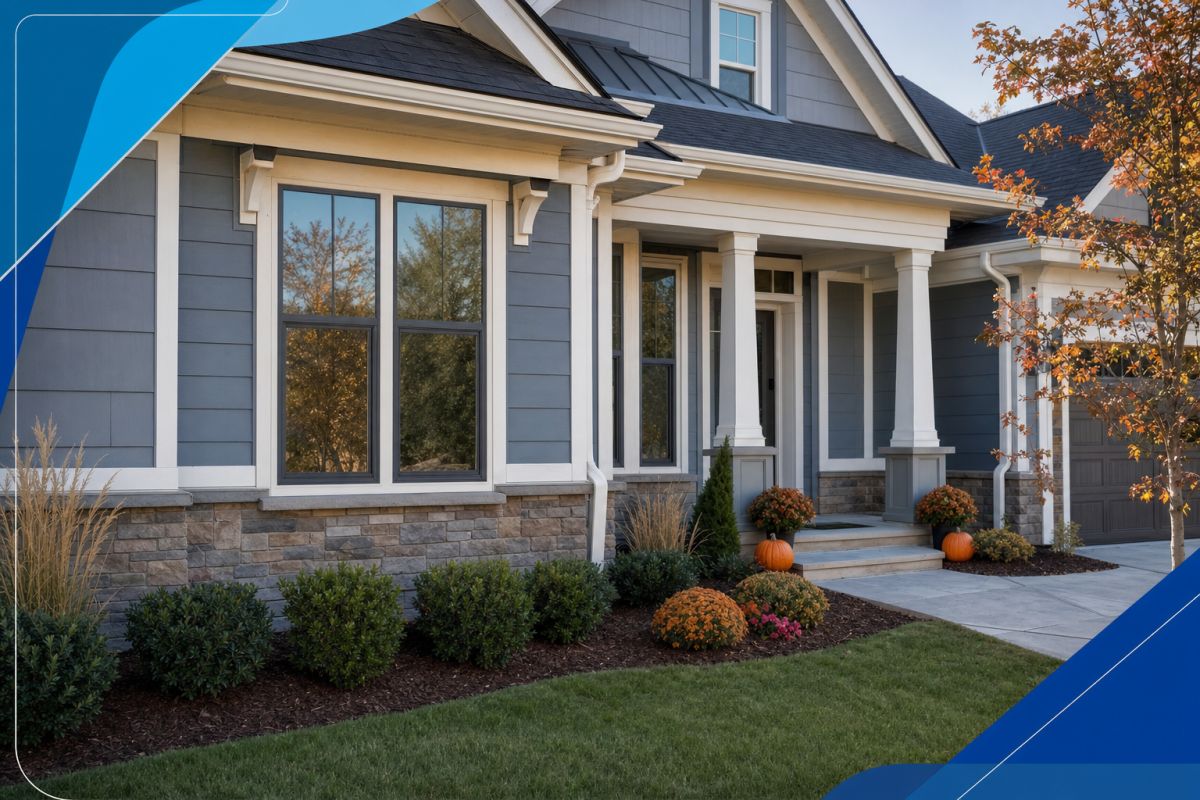
Key Takeaways
-
Start with water and safety: Document drainage concerns, damaged walkways, cracked glass, loose components, and visible deterioration.
-
Clean before evaluating: Clear debris and clean glass, screens, fixtures, and the entry so wear is easier to see.
-
Test accessible openings: Windows and doors that remain difficult to operate, visibly worn, or drafty may warrant a replacement consultation.
-
Coordinate visible upgrades: Treat siding, trim, shutters, windows, and the front door as parts of one exterior palette.
-
Price the actual scope: Opening sizes, configurations, product selections, and installation conditions make a local quote more useful than a national average.
Fall can be a productive time to inspect, maintain, and plan exterior improvements. The smartest fall exterior updates to improve curb appeal follow a clear priority: address water, unsafe conditions, deterioration, and drafts before choosing decorative changes.
A seasonal walkaround can also help you separate a cleaning task from a condition that merits professional evaluation. Once debris and dirt are removed, it becomes easier to judge whether a window, door, siding area, shutter, or exterior fixture needs routine upkeep or a longer-term improvement.
Why Fall Works Well as an Exterior Planning Season
Fall offers a practical opportunity to sort exterior work into three categories:
- Cleaning and presentation: Washing exterior glass, clearing debris, cleaning fixtures, and organizing the entry.
- Maintenance or professional evaluation: Addressing concerns involving drainage, caulk, weatherstripping, screens, trim, difficult operation, or visible wear.
- Replacement-oriented improvements: Exploring new windows, doors, siding, shutters, or other components when condition and design goals extend beyond minor upkeep.
This distinction helps prevent a cosmetic project from concealing a more important concern. Seasonal decorations cannot correct drainage directed toward the home, and fresh paint should not be used to cover material that may be deteriorating underneath.
Scheduling note: Do not rely on the calendar alone when planning paint, caulk, sealants, or other weather-sensitive work. Actual site conditions, surface preparation, product instructions, and applicable installation requirements should determine when the work proceeds.
Start With a Fall Exterior Walkaround: What Needs Attention First?
Begin at the street or primary approach, and then walk the full perimeter. Take photographs from close range and from the normal viewing distance. The goal is to record observable concerns and put them in the right order, not to diagnose hidden damage.
Priority 1: Water and Drainage Concerns
Start at the roofline and work downward. Look for debris near drainage paths, water collecting close to the home, staining around openings, and runoff directed toward exterior walls or walking surfaces. If it is safe, observe the property during rainfall because a dry-day inspection may not reveal where water travels.
Pay attention to the bottom edges of doors, window trim, siding transitions, and places where different exterior materials meet. Gaps, softness, discoloration, or repeated dampness deserve closer evaluation. Avoid covering a suspected water problem with new caulk or paint until its source is understood.
Decision rule: Move recurring water, visible deterioration, or an unclear moisture source ahead of landscaping and color changes.
Priority 2: Unsafe or Deteriorated Conditions
Look for cracked glass, loose exterior components, unstable railings, damaged steps, uneven walkways, and fixtures that are not secure. Do not climb or reach into an unsafe area to inspect it more closely.
Also document damaged trim, loose siding, visibly worn door components, and screen frames that no longer fit correctly. Even when these conditions do not present an immediate hazard, they can affect the appropriate project scope.
Priority 3: Drafts and Operational Problems
Open, close, and lock each accessible window and door. Listen for scraping, note excessive resistance, and check whether the sash or door aligns as expected. Recurring drafts, difficult operation, visible deterioration, and poor alignment are more informative together than any one symptom by itself.
A single maintenance issue may have a limited remedy. When several concerns overlap, repeatedly treating individual symptoms may be less useful than requesting a replacement evaluation.
Priority 4: Visual Improvements
After documenting condition concerns, decide where the eye should land. The front door is often the natural focal point, while windows, shutters, siding, lighting, and landscaping frame it.
Use wide photographs to evaluate proportion and consistency. A close view may make faded shutters seem like the main issue, while a wider image can reveal that worn siding, inconsistent window trim, or an underemphasized entrance has more influence on the overall appearance.
Decision rule: Address conditions that could worsen or interfere with safe operation first. Direct the curb-appeal budget that remains toward a focal point or a large visible area.
Quick Improvements That Also Reveal Exterior Condition
Cleaning is more than a presentation step. It removes the dirt, leaves, and clutter that can make sound materials look worn or conceal maintenance concerns.
- Clear leaves and debris from the entry, visible drainage paths, walkways, and areas where material has collected against exterior surfaces.
- Trim or move vegetation that blocks windows, house numbers, walking paths, siding, or trim.
- Clean exterior window glass, accessible frames, screens, light covers, steps, and hard surfaces using methods appropriate for each material.
- Clean the front door, sidelights, threshold, hardware, mailbox, and house numbers.
- After dark, check whether the entry, walking route, and house numbers are clearly visible without excessive glare.
Reassess the exterior after this work is complete. If a window is still difficult to operate, a screen does not fit, trim remains visibly worn, or siding shows deterioration after cleaning, the issue extends beyond presentation.
When Windows Move From Cleaning to a Replacement Conversation
Clean windows can make the exterior look brighter and more consistent, but cleaning also provides a closer look at the glass, screen, sash, frame, trim, seals, and operation.
A Window and Door Inspection Checklist
- Glass: Look for cracks, damage, or persistent visual concerns that remain after cleaning.
- Screens: Record tears, bent frames, missing screens, or poor fit.
- Caulk and seals: Note visible gaps, separation, or deterioration without assuming surface caulk is the complete remedy.
- Exterior trim: Look for loose, soft, damaged, or heavily worn areas.
- Weatherstripping: Check whether it is present, intact, and making contact when the opening closes.
- Operation: Note sticking, scraping, excessive force, alignment concerns, or unreliable locking.
- Drafts: Record where recurring air movement is noticed and whether it affects one opening or several.
- Appearance: Step back to assess whether frame styles, grids, colors, and proportions look consistent.
One torn screen or dirty frame does not automatically justify replacing a window. A consultation becomes more useful when several concerns overlap, deterioration appears extensive, operation remains unreliable, or you want one project to address appearance and function.
Homeowners in Pooler, Savannah, and the surrounding service area can discuss replacement windows and impact products with Window World of Savannah. The appropriate product category depends on the opening, project goals, and applicable requirements rather than a one-size-fits-all assumption.
Coordinate the Front Door and Shutters Around One Visual Plan
The front entry combines the door, glass, hardware, lighting, trim, steps, and nearby shutters in a relatively small area. Begin by deciding whether the door should become a contrasting focal point or blend into a quieter exterior palette.
Then consider configuration, glass, texture, privacy, light, and operation. Window World of Savannah’s smooth and modern entry-door pages describe fiberglass doors with paintable options, moisture-protection features, energy-efficient designs, and lifetime limited warranties. Available designs and terms vary by the selected product and should be confirmed during a consultation.
Replacement may be worth discussing when a door is difficult to operate, no longer aligns or seals as expected, shows visible wear, or no longer suits the desired appearance. Ask what the proposed scope includes, which written warranty applies, and how installation or post-installation adjustment concerns are handled.
Give Each Exterior Color a Role
Use one simple model to prevent the entry from looking disconnected:
- Siding establishes the main field color.
- Window and door trim creates a repeated frame.
- Shutters add rhythm or controlled contrast.
- The front door provides the primary focal point.
Shutters should also appear appropriately scaled to the windows. Compare their height, width, spacing, style, and color from the street rather than relying only on a close-up sample.
Window World of Savannah offers louvered shutters with custom sizing and a variety of colors. The product page states that they resist fading, hide scratches, and carry a limited lifetime warranty. Sizing, colors, installation details, and warranty coverage should be verified for the selected product.
Use Siding Updates to Address Appearance and Exterior Condition
Siding affects a much larger share of the exterior than a door, planter, or light fixture. It can therefore make a substantial visual difference, but the decision should extend beyond choosing a new color.
Document the condition of each elevation. Dirt or an isolated maintenance issue may call for cleaning or targeted work. Widespread wear, loose areas, extensive deterioration, or a whole-home design goal may justify a replacement evaluation.
Compare the Complete Siding System
Evaluate siding colors beside the roof, windows, doors, trim, masonry, and shutters. Review samples under the actual light around the home when possible because a small sample can look different across a broad elevation.
Compare profile, texture, visible seams, maintenance preferences, accessory details, and product-specific performance features. Window World of Savannah offers several siding series with different options. Its 1000, 1500, 2000, 4000, and 6000 Series pages describe transferable lifetime limited warranties, subject to the written terms for the selected product.
Some choices can support goals beyond appearance. For example, the 6000 Series page describes insulated vinyl siding designed to support year-round comfort and reduce noise infiltration. That description applies specifically to the 6000 Series rather than every siding product.
Decision rule: Investigate targeted upkeep when the concern is isolated. Compare complete siding options when condition, maintenance, comfort, and appearance goals span multiple elevations.
Include Patio Doors and Other Visible Side or Rear Openings
A side entrance, patio, or backyard elevation may be seen frequently by homeowners and guests. A worn patio door or damaged screen can affect both the presentation of that space and the way the opening functions.
Inspect accessible glass, trim, threshold, weatherstripping, screens, locks, and operation. If you are considering a hinged door, assess the swing direction in relation to the interior layout, exterior landing, furniture, and normal traffic pattern.
Window World of Savannah’s hinged patio-door page describes fiberglass doors that may swing in or out, with multiple design options, optional sliding screens, and a lifetime limited warranty. Those features and terms apply to the listed hinged product and should be confirmed for the configuration under consideration.
A Compact Fall Curb-Appeal Action Plan
- Resolve first: Move water, safety, deterioration, and unreliable operation to the top of the list.
- Clean next: Remove debris and wash accessible surfaces before judging their condition.
- Document the scope: Photograph unresolved concerns and separate functional needs from optional design goals.
- Choose the visual priority: Decide whether the entry, windows, siding, shutters, or a visible patio opening will make the most meaningful difference.
- Request a local quote: Compare the products, written warranty terms, design choices, and work included in the proposed scope.
Broad national averages cannot account for window quantity and size, door configuration, glass choices, siding series, shutter sizing, installation conditions, or accessory selections. A scope-specific quote offers a more useful basis for planning.
Get a Free Quote for Windows, Doors, Siding, or Shutters
If your walkaround identifies more than routine upkeep, Window World of Savannah can help you compare replacement windows, impact products, siding, entry doors, patio doors, and shutters. The company describes itself as locally owned and nationally known and states that it has served the area since opening in 2001.
Free in-home and virtual consultations are available for homeowners in Pooler, Savannah, coastal Georgia, and the company’s supported South Carolina Lowcountry service area. Window World of Savannah is located at 66 Columbia Drive in Pooler. Financing is available with approved credit through the Window World Credit Card Program.
Request a quote for the exterior component that matches your highest priority, and bring photographs and a short list of functional and design concerns to keep the conversation focused.
Frequently Asked Questions
-
Do not assume caulk will resolve every gap or moisture concern. First consider the source and condition of the surrounding material. Follow the sealant manufacturer’s preparation and weather requirements, and seek qualified evaluation when water intrusion or deterioration is suspected.
-
Window World of Savannah states that virtual and in-home consultations are available. A virtual consultation can help clarify goals and product categories, although measurements and site-specific conditions may still need to be confirmed before the project scope is finalized.
-
Yes. Start with water, safety, deterioration, and operational concerns, then phase visual improvements according to budget and priority. Choose an overall color direction early so later windows, doors, siding, or shutters can fit the same exterior plan.