

 Back to Blogs
Common Signs It Is Time to Replace an Older Patio Door Before Summer Usage Peaks
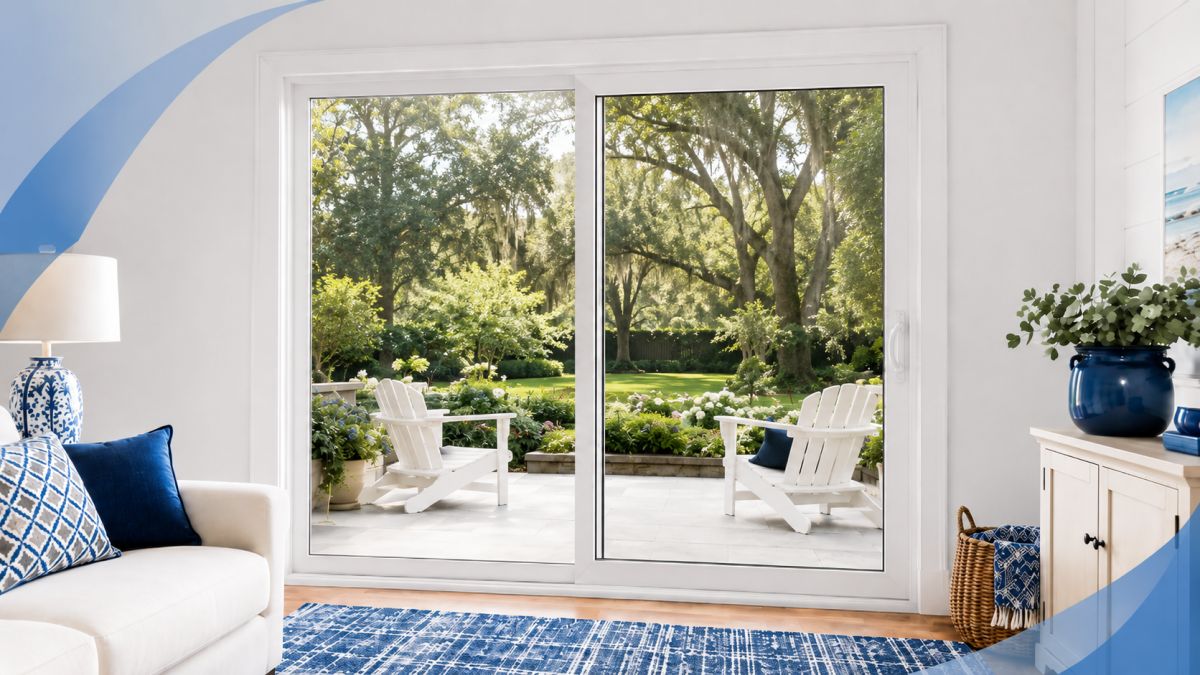
You’re planning a summer of easy living in a coastal climate. A patio door that seals well, opens smoothly, and stands up to humidity, salt air, and summer heat is essential for comfort and energy savings.
From our experience with homeowners in Savannah, Pooler, Bluffton, Coastal Georgia, and Coastal South Carolina, the right door combines reliable operation with lasting durability. Start assessing signs early so you can plan a replacement before peak season traffic and outdoor entertaining begin.
This guide helps you spot practical signs a patio door needs replacing. Focus on comfort, energy efficiency, durability, and curb appeal. When you see these indicators, you’ll know it may be time to consider a replacement with energy-efficient doors from local experts who understand your climate.
Key Takeaways
-
Inspect coastal patio doors for visible glass and frame wear, weather sealing problems, and moisture issues before summer to help maintain comfort and energy efficiency.
-
Key signs it may be time to replace an older patio door include deteriorating seals, drafts, fogging between panes, water intrusion, warped frames, and security concerns.
-
Planning ahead can help homeowners avoid peak-season delays, improve curb appeal, and invest in a more energy-efficient door before summer usage increases.
Visible Glass and Frame Deterioration
Coastal humidity and sun can take a toll on patio doors. When the glass or frame shows wear, it can signal increasing gaps, poor sealing, and warm air exchange. Addressing these issues early helps maintain comfort and energy efficiency through the hot season.
Cracked, Chipped, or Broken Glass
Inspect for tiny cracks, chips along edges, or broken panes. Even small flaws can expand with heat, pressure, and storm activity. Faulty glass can undermine insulation and raise cooling costs.
Warped, Cracked, or Rotting Frames
Look at corners and joints for visible warping or cracking. Wood frames may show rot from moisture exposure, while vinyl or aluminum frames can bend under load. Warping can misalign seals and make the door harder to operate.
Finish Wear and Paint Degradation
Peeling paint and exposed substrate can invite moisture intrusion. In coastal homes, finish degradation may accelerate frame corrosion or wood decay, compromising both appearance and performance.
Air Leakage and Insulation Failures
Coastal homes rely on a tight seal to keep humidity out and comfort in. If your patio door is not insulating well, you may notice uneven breezes, hot spots, or a damp feeling near the threshold during warmer months.
Drafts Near the Door
Feel for cold or warm air around the door jambs and threshold. Gaps from aging weatherstripping or a settled frame can let outside air sweep in, driving up cooling costs and inviting humidity indoors.
Fogging or Condensation Between Panes
Condensation trapped between glass layers can signal a failed seal. When moisture slips in, insulating performance drops and visibility suffers, especially during late spring temperature changes and early summer heat.
Increased Energy Bills During Transitional Seasons
Bill spikes in spring and autumn may point to slipping insulation rather than behavior or weather alone. An energy-efficient door can enhance comfort and reduce strain on your HVAC system during these shoulder seasons.
Poor Operation and Hardware Decline
Smooth operation matters in a coastal climate with heavy air, frequent use, and regular outdoor activity. If your door feels stiff, gritty, or difficult to open, it may be a sign that components are worn and could fail under heat and humidity.
Sticking or Difficult Sliding
When the door sticks, you exert more effort and wear the track and rollers faster. Sticking can indicate dirt buildup, degraded rollers, or a warped frame that affects alignment and operation.
Misaligned or Malfunctioning Locks
A reliable lock system is essential for security and convenient entries during gatherings. If the locking mechanism feels loose or will not latch reliably, it may point to hardware wear or frame settling that compromises protection.
Worn Weatherstripping and Seals
Leaky seals let in humidity and drafts, raising indoor humidity levels and energy use. Worn weatherstripping reduces insulation effectiveness and invites air infiltration around the door edges.
Water Infiltration and Moisture Issues
Coastal environments bring frequent rain and high humidity. Water problems around your patio door can signal structural strain, poor sealing, and potential energy losses. Addressing moisture early helps protect your home and comfort.
Water Stains Around the Frame
Stains along the frame may indicate leaks that bypass outer seals. Over time, moisture can seep into framing, causing swelling and further sealing challenges. This can raise indoor humidity and increase the risk of mold.
Visible Mold or Rot at the Sill or Jambs
Mold or wood rot near the base or sides of the door is a clear red flag. It points to persistent moisture intrusion and a compromised weather barrier. Repair can become more extensive when rot spreads beyond the visible area.
Persistent Dampness After Rain
If the area around the door stays damp even after dry spells, the door’s drainage and flashing may be failing. Prolonged dampness accelerates material breakdown and can affect flooring just inside the threshold.
Security and Structural Concerns
Security is about more than keeping unwanted visitors out. It also protects your peace of mind during summer gatherings and everyday use. If you notice changes in how your patio door locks, closes, or sits in the frame, it may be time to reassess the system.
Weakening Locking Mechanisms
Regularly test the door’s lock. A loose latch or a key that will not engage smoothly can signal wear that reduces security. Coastal humidity can accelerate hardware fatigue, making durable, weather-resistant locking systems especially important.
Frame Shifting or Warping
Look for gaps that appear after closing or a misaligned active panel. Warping or frame settling creates new paths for drafts and moisture, and it can make the door easier to force open. Structural stability supports both security and climate control.
Noise or Movement Indicating Structural Strain
Unusual creaks or a door that shifts when you push or pull may reveal frame or sill issues. Temperature swings and salt air exposure can worsen these movements. Addressing the root cause can help preserve safety and reduce long-term repairs.
Aesthetics and Maintenance Burden
Your patio door should complement your coastal home while standing up to sun, moisture, and salt air. If the door looks dated, worn, or weathered, it can drag down curb appeal and create more upkeep than it is worth.
Finish Longevity and Color Stability
Coastal climates can accelerate finish wear. Look for fading, chalking, or clear coat degradation that signals ongoing maintenance or future refinishing needs. A durable finish helps resist salt spray and UV exposure with less ongoing upkeep.
Maintenance Complexity and Access
Some door systems demand more frequent servicing than others. Consider hinge and track cleanliness, weatherstripping replacement intervals, and sealant checks. Simpler, more durable designs can reduce upkeep while preserving performance.
Compatibility With Exterior Updates
As you refresh other exterior elements, make sure the door finishes, hardware, and metal color coordinate with new siding, trim, or entry features. A cohesive look supports curb appeal and resale value.
Seasonal Readiness and Budget Considerations
Planning ahead protects your comfort and budget as coastal summers ramp up. You want a patio door that seals well, keeps humidity outside, and looks great when you entertain guests.
Timing Before Peak Summer Usage
Schedule installation before the hottest stretch to minimize disruption during gatherings and high-humidity spells. A ready door supports steady indoor comfort and reduces last-minute stress as outdoor living season gets busier.
Estimating Cost Versus Long-Term Savings
Upfront costs cover the door, installation, and weather sealing. Long-term benefits may include lower cooling bills, reduced maintenance, and improved comfort. An energy-efficient option can also support yearly savings on utilities.
Financing and Installation Timelines
Work with local installers to map a realistic window that fits your calendar. Financing plans can spread the investment, making replacement easier to manage without delaying the project.
Conclusion
Replacing an older patio door before summer can keep your Savannah area home comfortable, energy efficient, and ready for outdoor gatherings. A well-chosen door can reduce drafts, improve resistance against humidity and salt air, and enhance curb appeal.
Plan ahead with local experts who understand coastal conditions. An energy-efficient door can lower cooling costs and improve year-round comfort. Choose materials and features designed to withstand heat, humidity, and storms while adding lasting value to your home.
Trust local expertise from Window World Savannah for patio door solutions designed for coastal homes. Prioritize energy efficiency with perimeter insulation, quality weatherstripping, and proper sealing. Balance function and style with a smooth-gliding door that complements your home and supports everyday comfort.
Frequently Asked Questions
-
Patio doors in coastal environments like Savannah and Coastal Georgia are built to last, but humidity, salt air, and sun can affect components over time. A well-installed, energy-efficient door from Window World Savannah can provide years of reliable performance, with periodic maintenance extending its service life. Look for consistent operation, solid seals, and minimal condensation as long-term indicators of durability.
-
Costs vary based on door type, materials, and installation specifics. Factors include the door’s size, frame material, glass options, and weather sealing enhancements. A local estimate will reflect the region’s coastal conditions, installation labor, and any necessary adjustments to existing openings. Window World Savannah can assess your home and provide a clear, itemized plan.
-
In some cases, upgrading glass or weatherstripping can improve comfort and energy performance without a full door replacement. However, severe frame wear, persistent leakage, or misalignment often requires a complete patio door replacement to restore airtightness and function. A local expert can evaluate whether targeted upgrades meet your goals and budget.
Window World of Savannah provides replacement windows, patio doors, entry doors, siding, and related exterior remodeling solutions for homeowners throughout the Savannah area, Coastal Georgia, and nearby Lowcountry communities. Our team helps homeowners choose durable, energy-efficient products designed to improve comfort, curb appeal, and long-term performance in a coastal climate.
If your patio door is drafty, difficult to open, leaking, or showing signs of wear, Window World of Savannah can help you explore replacement options that fit your home, style, and budget. Contact us today to schedule a free estimate.