

 Back to Blogs
The Cost of Delaying Window Replacement: Why Another Season Can Cost More
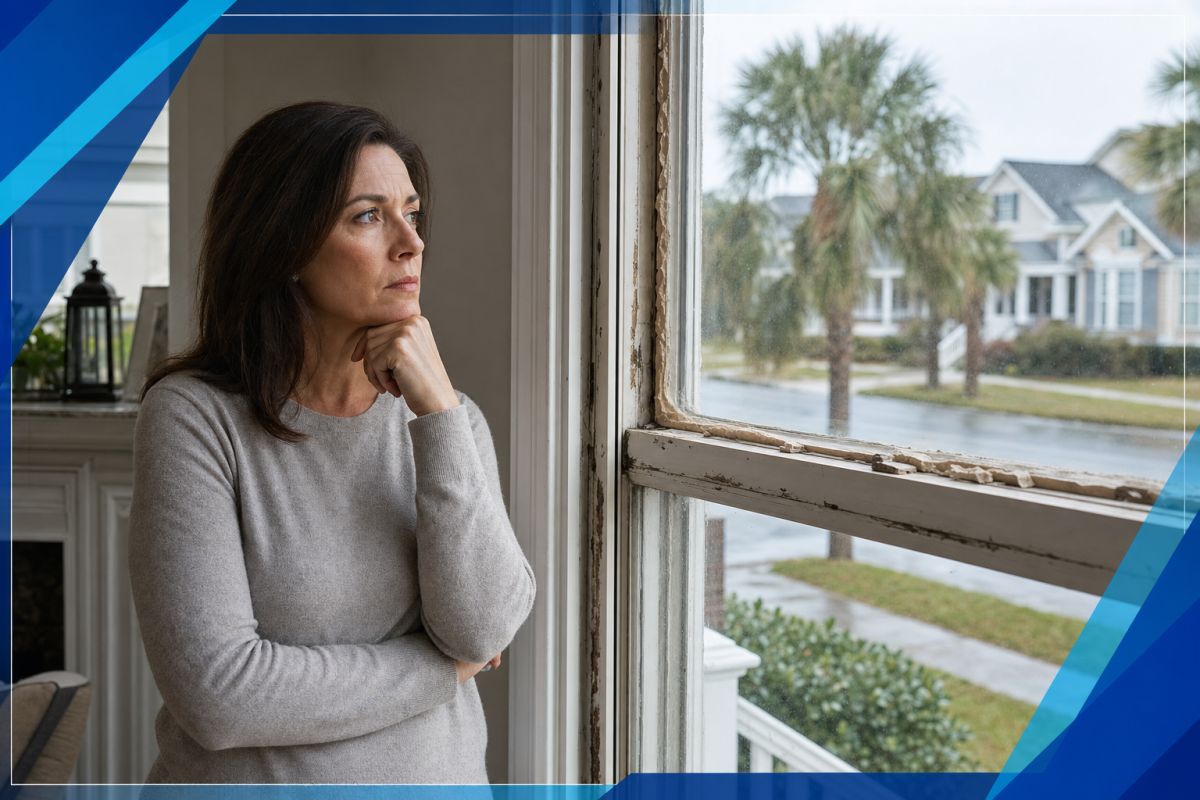
The cost of delaying window replacement can include another season of uneven comfort, continued heating or cooling demand, repeated spending on temporary fixes, and less flexibility to plan the project. If water entry or material deterioration progresses, the eventual scope may extend beyond the window. Every draft or patch of condensation does not require immediate replacement, however. The first step is to identify the symptom, its frequency, and the condition of the window and surrounding opening.
Key Takeaways
-
Describe the symptom accurately: Note whether you see room-side condensation, moisture between panes, a draft, or visible water around the opening.
-
Prioritize safety and water concerns: Move quickly when a window will not close, latch, remain open safely, or keep visible water out.
-
Document recurring patterns: Record the room, affected window, date, and conditions under which the problem appears before requesting an evaluation.
Why waiting can cost more than another uncomfortable season
Windows often decline gradually rather than failing all at once. A sash may become harder to move, a lock may stop aligning, fog may appear between panes, or one room may become persistently less comfortable. Because the window remains in place and still functions to some degree, each symptom can seem like a minor inconvenience.
The unanswered cause is what makes delay risky. A problem could be confined to hardware or maintenance, or it could involve failed glass, deteriorated components, air movement around the assembly, or water reaching the surrounding opening. Repeatedly treating the visible symptom without understanding that distinction can add expense without resolving the condition.
Waiting also changes the way the project must be handled. A homeowner considering a planned improvement has time to compare styles, materials, scope, warranties, financing, and scheduling. A window that suddenly cannot close securely or shows active water entry moves those choices behind the immediate need to restore safe, functional operation.
The cost of delay usually appears in four places
The exact outcome depends on the home, the window condition, the source of the problem, and the eventual work required. Utility increases, moisture-related repairs, and scheduling constraints are possible consequences rather than guaranteed results. The practical question is whether the same unresolved condition is continuing to affect comfort, maintenance, surrounding materials, or planning flexibility.
1. Prolonged room discomfort and possible energy demand
A noticeable draft or unusually warm or cool area near a window can make part of a room uncomfortable. Homeowners may compensate by adjusting the thermostat, running fans, avoiding the space, or moving furniture away from the opening. When conditioned air is escaping or outside air is entering, the heating or cooling system may need to work more to maintain the selected temperature.
A utility bill by itself cannot identify a failing window. Weather, energy rates, thermostat settings, HVAC condition, insulation, and household routines also affect usage. A repeatable room-level pattern is more useful: the same seating area feels uncomfortable, a draft appears at the same opening during similar conditions, or one room consistently differs from the rooms around it.
Record where the discomfort occurs and whether it coincides with wind, rain, direct sun, or HVAC operation. That information is more actionable than a general statement that the entire home feels inefficient.
2. Recurring spending on temporary measures
Removable film, draft blockers, towels, weatherstripping, or limited sealant work may offer temporary relief in the right situation. The problem is repetition. If the same symptom returns, the homeowner may continue buying materials or spending time on patches without learning whether the affected window can be repaired or should be considered for replacement.
For example, a removable draft-control measure might make a seating area more comfortable while an appointment is pending. It cannot restore failed insulated glass, correct deteriorated components, or identify an air path around the opening. A temporary measure has value only when its limited purpose is clear.
3. A potentially broader moisture-related scope
Water reaching trim, finishes, drywall, or concealed materials can turn a window concern into a broader opening concern. What work is needed depends on the source, duration, installation details, and condition of the nearby materials.
Recurring stains, peeling or bubbling finishes, swelling, soft trim, dampness, or a musty odor deserve attention. A stain does not establish how extensive the problem is, but continued exposure can make the assessment and corrective scope more complicated. The window and surrounding opening should be considered together because replacing the window alone may not correct moisture arriving from another route.
4. Reduced product and scheduling flexibility
Early planning leaves time to decide how the new windows should look and operate, compare appropriate materials, review the written installation scope, and understand warranty and financing terms. Urgency compresses those decisions. If an opening can no longer be secured or used safely, immediate function will understandably take priority over a relaxed comparison process.
Appointment and project timing can also depend on current demand, product selection, and the requirements of the home. Asking about the process while the existing windows remain usable gives the homeowner more practical flexibility than assuming work can start immediately after complete failure.
Signs a window may be failing before it breaks completely
Walk through the home room by room and check what you can see, feel, and operate. The following symptom-to-action checklist keeps isolated observations separate from conditions that deserve faster attention.
- Fog, haze, or droplets trapped between panes: Photograph the glass from more than one angle and note whether the condition changes during the day. Include it in a repair-or-replacement discussion.
- Recurring condensation on the room-facing glass: Note whether it affects one window or several and when it appears. This observation may warrant a broader look at indoor humidity and glass-surface conditions.
- A repeatable draft or uncomfortable area: Record where the air seems strongest and the conditions under which it occurs. Avoid applying permanent sealant throughout the opening before the air path is understood.
- A sash that sticks, binds, or requires unusual force: Stop forcing it. Ask for an operation assessment, especially if the condition is worsening.
- A window that will not close, latch, or remain open properly: Prioritize professional attention because the condition may affect safety, security, or how the room can be used.
- Damaged, loose, or misaligned locks: Do not rely on the window as though it is secure. Include the hardware and overall operation in the assessment.
- Water droplets, dampness, or visible entry around the opening: Move belongings away, dry accessible surface moisture, and report active entry when booking an appointment.
- Staining, peeling finishes, swelling, or soft trim: Photograph both close-up details and the full opening. These symptoms support examining the surrounding materials rather than focusing only on the glass or sash.
- Cracked, separated, or badly worn caulk or seals: Record the location. Their appearance may be useful evidence, but it does not identify the complete water or air path by itself.
Photos are especially useful when fogging, condensation, drafts, or water marks appear only under certain conditions. Take one image showing the full window and another showing the symptom closely.
Condensation, failed seals, drafts, and water intrusion are different clues
Homeowners sometimes use “leaking window” to describe several different observations. Precise descriptions make it easier to determine what should be examined first.
Condensation on the room-facing glass
Moisture on the accessible interior surface may be associated with indoor humidity, glass temperature, ventilation, or a combination of conditions. Notice whether it affects one opening or many, whether it appears at a particular time, and whether it clears later. This type of condensation does not by itself identify a failed insulated-glass seal.
Fogging or moisture between panes
Haze, droplets, or a milky appearance that cannot be wiped from either accessible surface may be inside an insulated-glass unit. That is different from room-side condensation and can support a conversation about the condition and repairability of the glass or window.
Air leakage or a noticeable draft
A draft may be strongest near the operable sash, frame, trim, or an adjacent part of the opening. The sensation identifies a location to investigate, but it does not reveal the exact air path. Record where it appears and under what conditions instead of covering the entire opening with permanent sealant.
Visible water or staining around the opening
Water on a sill, damp trim, or staining on a nearby finish is a separate warning. The source may involve the window, the connection between the window and opening, or another route above or beside it. Wind-driven rain can make an intermittent condition easier to observe, and water may travel before it becomes visible.
The governing boundary is simple: replacement should not be treated as a guaranteed moisture solution until the source and surrounding opening have been assessed. Active entry, spreading stains, or badly deteriorated materials warrant prompt attention.
Repair, replace, or evaluate first? Use these decision rules
Window age provides context, but the number, frequency, and seriousness of the symptoms offer a more useful starting point.
Monitor when the observation is isolated and low risk
Condition: A symptom occurred once, the window operates and locks normally, and there is no water entry or visible material deterioration.
Action: Take a photo, record the conditions, and watch for recurrence. Move to another path if the problem returns, spreads, or begins affecting comfort or operation.
Discuss a limited repair when one component appears affected
Condition: The concern appears confined to hardware, operation, or a specific maintenance item while the rest of the window and opening remain serviceable.
Action: Ask whether parts are available, what the repair would correct, what it would leave unchanged, and how the repair cost compares with the expected remaining service life. A small repair may be sensible; it is less persuasive when several performance problems are already present.
Plan a replacement evaluation when problems recur or overlap
Condition: The same problem keeps returning, several components have deteriorated, multiple windows are affected, or comfort and operation concerns occur together. Examples include between-pane fogging combined with difficult operation, drafts across several openings, or locks that no longer work properly.
Action: Compare whether one opening, a group of windows, or a phased or broader project fits the condition and the homeowner's priorities. Replacement can also be considered when operation, appearance, and performance goals need to be addressed together.
Request prompt attention for active water, safety, or security concerns
Condition: A window will not close or latch, a sash will not remain open safely, water is actively entering, or surrounding materials are severely deteriorated.
Action: Report the specific condition when booking. While waiting, move belongings away from damp areas, dry accessible surface moisture, and avoid forcing the sash. Do not block a window required for emergency exit or depend on a temporary draft measure as a structural or security fix.
Plan the window project before it becomes urgent
A well-prepared consultation should turn household observations into a clear proposed scope. Bring photos, identify the affected rooms, and explain which conditions recur. Then work through the following questions.
- What is being assessed? Ask whether the review covers window operation, visible trim and materials, and the surrounding opening.
- What are the project priorities? Identify the desired operation, appearance, maintenance needs, and performance goals.
- Which options fit those priorities? Ask why a proposed window type or material is suitable for the opening and intended use.
- What does the written scope include? Confirm which windows and installation work are covered and how unexpected conditions would be addressed.
- What is the current scheduling process? Discuss the steps and timing associated with the selected products and project requirements.
- Which written warranty applies? Review the terms for the specific products and work under consideration rather than relying on a general warranty description.
- How would financing affect the total project? If financing is relevant, ask about eligibility, terms, and total cost before deciding.
Window World of Savannah offers in-home and virtual consultations. Its window categories include vinyl and premium wood-clad options, allowing homeowners to compare potential product paths before an existing window becomes unusable. A virtual consultation can provide a convenient starting point for discussing visible symptoms and options, while an onsite review may be needed to assess the opening and finalize the scope.
The company states that its products are professionally installed and supported by comprehensive warranties. Homeowners should review the written terms applicable to their proposed project. Financing is available with approved credit through the Window World Credit Card Program.
Replacement-window help for Pooler homeowners
Window World of Savannah serves Pooler homeowners with energy-efficient replacement windows and impact-rated product options. The locally owned business states that it has operated since 2001 with nationally recognized brand backing.
Visit the Window World of Savannah service area page for Pooler and surrounding communities to learn where consultations are available.
If you are dealing with recurring fogging, drafts, poor operation, or water concerns, request an in-home or virtual consultation to discuss the affected windows and appropriate replacement options.
Frequently Asked Questions
-
Take one photo showing the entire window and surrounding opening, plus close-ups of fogging, stains, damaged locks, peeling finishes, or deteriorated trim. Record the room, date, and conditions under which the symptom appeared.
-
Prioritize openings with active water entry, severe deterioration, or windows that cannot close, latch, or remain open safely. Persistent problems affecting several functions may also deserve attention before isolated cosmetic concerns.
-
Not necessarily. The appropriate scope may involve one opening, a group of windows, a phased project, or broader replacement. The decision depends on condition, recurring symptoms, project priorities, and budget.
-
A virtual consultation can begin the discussion by reviewing visible symptoms, photos, priorities, and product options. An onsite assessment may still be needed to examine operation, the surrounding opening, installation conditions, and the final scope.