

 Back to Blogs
How to Choose Patio Doors for Light, Function, and Energy Performance in Coastal Homes
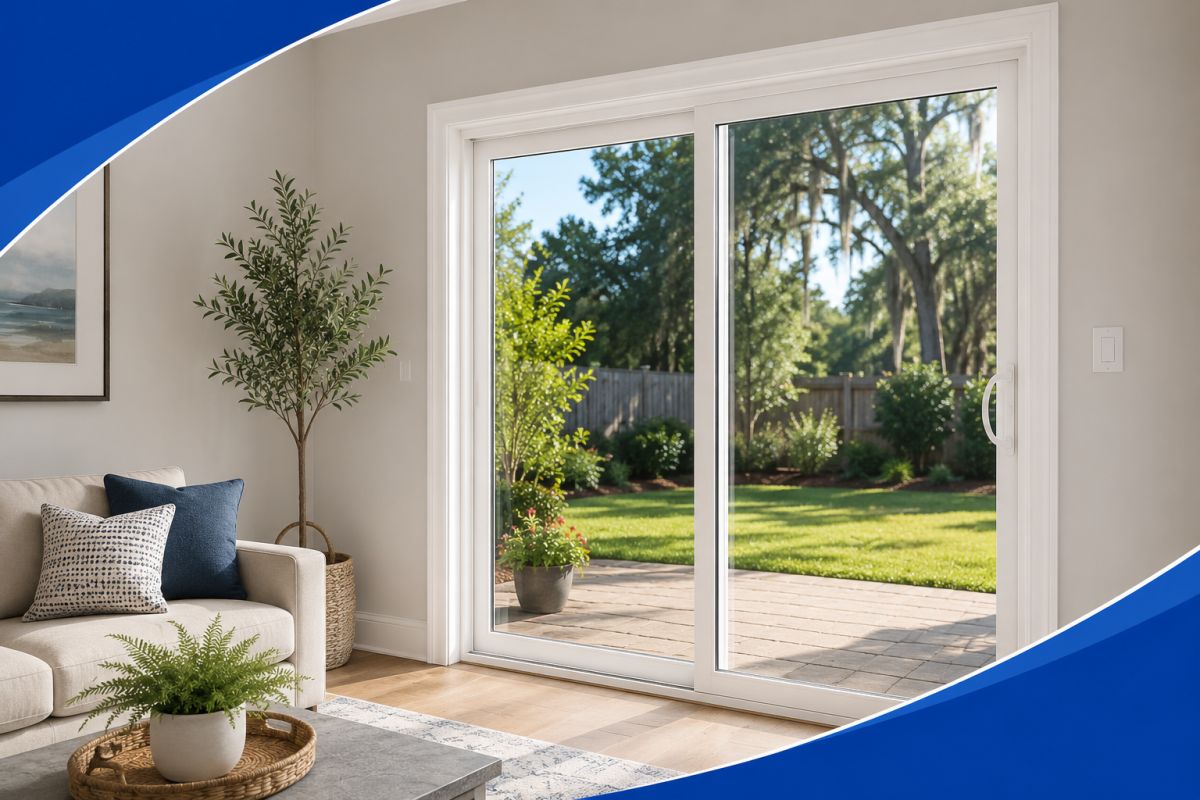
Living in a hot, humid coastal climate means salt air, strong sun, and seasonal storms shape every home improvement decision. The right patio door should withstand these conditions while inviting daylight, preserving outdoor views, and supporting reliable airflow.
Coastal weather can contribute to condensation, frame aging, corrosion, and performance changes over time. That is why homeowners should look for patio doors designed to stay stable, seal tightly, and operate smoothly year after year.
At Window World Savannah, we guide homeowners in Savannah, Pooler, Bluffton, Coastal Georgia, and Coastal South Carolina through patio door options that balance durability, comfort, and curb appeal. The goal is a door that looks great, operates reliably, and helps keep your home connected to the outdoors.
A patio door is one of your home’s largest openings. It shapes daylight, airflow, exterior views, and how easily indoor spaces blend with outdoor living areas.
A well-chosen patio door can enhance comfort, reduce energy use, and support dependable operation during humid summers and storm-prone seasons.
Key Takeaways
-
Choosing the right patio door for a coastal home means balancing natural light, energy efficiency, durability, and smooth operation.
-
Large glass panels can improve daylight and views, but glazing options such as Low-E coatings and insulated glass help reduce heat gain and glare.
-
Coastal homes benefit from weather-resistant frames, corrosion-resistant hardware, tight seals, and professional installation that accounts for humidity, salt air, and wind-driven rain.
-
Impact-resistant and energy-efficient glass options can improve comfort, safety, and long-term performance in coastal climates.
-
The best patio door should match your home’s layout, exterior style, maintenance preferences, and local climate demands.
Full Lite Gliding Patio Doors
Light Transmission and View Preservation
A Full Lite Gliding Patio Door is designed to bring in daylight while preserving expansive outdoor views. Large glass panels create a strong indoor-outdoor connection for coastal homes without adding visual clutter.
Glazing can be configured to diffuse intense sun and reduce glare, helping interiors stay bright without making rooms feel washed out. UV protection can also help shield furnishings, flooring, and decor from fading over time.
Glide Performance in Coastal Humidity
Coastal humidity can slow moving parts and cause older patio doors to stick. A quality gliding system uses durable hardware, precise alignment, and low-friction tracks to support smoother operation in humid conditions.
Robust weatherstripping and tight seals help control drafts and moisture intrusion. This makes the door easier to use during daily traffic, summer entertaining, and periods of heavy humidity.
Impact-Resistant Glass Options for Coastal Safety
DP and PG Ratings Explained
Performance ratings help homeowners evaluate a patio door’s ability to handle coastal weather. Design Pressure, often called DP, measures structural load resistance. Performance Grade, often called PG, evaluates overall performance across several durability and weather resistance factors.
Higher ratings generally indicate stronger performance in demanding conditions such as storms, high winds, and wind-driven rain. Choosing a door with certified ratings that align with local climate guidance helps support safety and long-term performance.
Glass Configurations for Weather Resilience
Impact-resistant glass uses multiple panes with protective interlayers to reduce the risk of damage from debris and storm activity. In coastal environments, glass coatings that resist UV fading and salt-related wear can help the door stay clearer and more attractive over time.
Common configurations include insulated glass, Low-E coatings, and protective interlayers. These options help balance daylight, glare control, safety, and energy performance for coastal homes.
Common Coastal Glass Options
| Glass Option | Benefit for Coastal Conditions | Typical Configuration |
|---|---|---|
| Impact-resistant glass | Storm protection and debris resistance | Glass pane with protective interlayer |
| Low-E coated glass | Solar heat reduction and fade protection | Glass with low-emissivity coating |
| Insulated multi-pane glass | Improved energy efficiency | Two or more glass layers with air or gas fill |
Energy-Efficient Glazing Solutions
Low-E Coatings and Solar Gain Control
Low-E coatings help balance daylight with heat control by reflecting a portion of the sun’s heat while allowing visible light to pass through. This can reduce cooling loads during hot, humid summers without sacrificing interior brightness.
For coastal climates, choose Low-E coatings designed for strong sun exposure. These options help reduce glare on screens, furniture, and flooring while maintaining a natural, inviting light level indoors.
Double vs. Triple Glazing in Coastal Climates
Double glazing provides solid insulation for many coastal homes and often offers a practical balance of cost and performance.
Triple glazing adds an additional layer of insulation, which may be helpful for homes with more extreme temperature swings, strong sun exposure, or longer cooling seasons.
The right choice depends on your home’s orientation, comfort goals, budget, and local climate conditions. A professional assessment can help determine the most effective configuration for reducing heat transfer, stabilizing indoor temperatures, and minimizing condensation.
Frame Materials and Coastal Performance
Aluminum, Fiberglass, and Wood Trade-Offs
Frame material plays a major role in how well a patio door performs in coastal conditions.
Aluminum frames offer slim sightlines and strong framing, making them useful for large openings where weight and profile matter. However, aluminum can conduct heat, so insulating details are important in hot coastal climates.
Fiberglass frames handle moisture and temperature swings well. They resist expansion and contraction, helping the door maintain alignment through humid seasons and salt air exposure.
Wood frames offer warmth and classic style, but they require more maintenance in humid coastal environments. Proper sealing, finishing, and upkeep are essential to protect wood from swelling, rot, and moisture damage.
Finish Options to Resist Fading and Corrosion
The right finish can help extend the life and appearance of a patio door in a coastal climate.
Powder-coated finishes provide durable color and salt spray resistance on many aluminum and fiberglass systems. Marine-grade hardware and corrosion-resistant trims can also help extend the life of the door.
UV-stable finishes are especially valuable in homes exposed to strong sun because they help preserve exterior color and reduce visible fading.
Common Frame Material Considerations
| Material | Strengths in Coastal Settings | Considerations |
| Aluminum | Slim sightlines and durable framing | Conducts heat, so insulating features matter |
| Fiberglass | Low expansion and good moisture resistance | Typically higher upfront cost |
| Wood | Warm, traditional appearance | Requires sealing and maintenance in humidity |
Installation Best Practices for Coastal Homes
Ventilation and Moisture Management
Coastal installations benefit from careful moisture management. Proper installation helps prevent condensation, mold risk, and moisture buildup around the patio door system.
A well-installed door should include appropriate spacing, sealing, drainage, and ventilation considerations. These details help reduce humidity-related problems around frames, sills, and surrounding wall materials.
Sealing, Flashing, and Rot Prevention
Sealants used in coastal homes should stay flexible and resist UV degradation over time. The right sealant helps protect against air leakage, moisture intrusion, and salt air exposure.
Flashing should integrate properly with the door frame and surrounding exterior materials to direct water away from the sill. Continuous drip edges, proper shingle-style layering, and accurate sill details all help move water outward instead of letting it collect near the opening.
Rot prevention also matters in humid climates. Framing should be protected from ground contact where possible, and treated or rot-resistant materials should be used where the door system connects to the building envelope.
Coastal Installation Priorities
| Installation Focus | Coastal Consideration | Best Practice |
| Ventilation | High humidity and salt air | Support airflow and reduce trapped moisture |
| Sealing | UV exposure and weathering | Use flexible, climate-appropriate sealants |
| Flashing | Water diversion away from the sill | Maintain continuous flashing and drip details |
| Rot prevention | Termite risk and humidity | Use treated materials and inspect regularly |
Design Considerations for Light and Aesthetics
Maximizing Natural Light Without Glare
A patio door should bring daylight into living areas without creating harsh glare or uncomfortable heat. Wide glass panels can improve views and brighten the room, but glazing choices should be selected carefully.
Low-E glass, tinted glass, reflective options, and interior shading can help reduce glare while preserving outdoor views. The right setup keeps interiors comfortable and visually connected to patios, decks, and backyards.
Helpful design choices include strategic panel layouts that balance brightness and privacy, Low-E glass to reduce solar heat gain, tinted or reflective glass options for added glare control, and interior shading options for rooms with strong afternoon sun.
Coastal Styling and Exterior Integration
Your patio door should complement the home’s exterior while standing up to salt air, humidity, and sun exposure. Door color, hardware, trim, and frame profile should coordinate with the home’s windows, siding, and exterior finishes.
A cohesive design improves curb appeal while helping the patio door feel like a natural part of the home rather than a later add-on.
Design Elements to Consider
| Design Element | Coastal Consideration | Practical Impact |
| Glass proportion | More daylight may require glare control | Improved views and brighter interiors |
| Frame color and finish | Salt air and sun can cause fading | Longer-lasting appearance |
| Hardware | Humidity can affect moving parts | Better reliability and smoother operation |
Conclusion
Choosing a patio door for a coastal home means balancing daylight, comfort, durability, and energy performance. The right door should bring in natural light, operate smoothly, resist humidity and salt air, and help manage heat during the warmest months.
Look for features that support coastal durability, including insulated glass, Low-E coatings, strong weatherstripping, corrosion-resistant hardware, and professional installation. When these details work together, your patio door can improve comfort, curb appeal, and long-term value.
To choose the right patio door, start by assessing your home’s exposure to humidity, UV rays, and wind-driven rain. Then compare glazing, frame materials, operating style, weather sealing, and installation quality. A local expert can help you select a patio door that fits your home, style, and coastal climate.
Frequently Asked Questions
-
Energy efficiency depends on the complete door system, including the glass, frame, seals, and installation quality. Look for insulated glass, Low-E coatings, durable framing, and tight weatherstripping.
For coastal homes, the best options balance energy performance with weather resistance. Local climate and professional installation play a major role in how well the door performs over time.
-
Start with the glass. Insulated glass with a Low-E coating can help reduce solar heat gain while preserving daylight.
Next, focus on the frame and seals. Thermally stable frames and high-quality weatherstripping minimize drafts, air leakage, and heat transfer.
Finally, make sure the door is professionally installed. Even a high-performance patio door can underperform if it is not sealed, flashed, and aligned correctly.
-
Sliding patio doors can work well in coastal homes when they are built with durable materials, reliable tracks, strong seals, and corrosion-resistant hardware. They are especially useful in spaces where a swinging door would take up too much room.
For best performance, choose a sliding or gliding patio door designed for humidity, salt air, and frequent use.
-
Low-E insulated glass is often a strong choice for hot, humid climates because it helps reduce solar heat gain while still allowing natural light into the home.
Homes in storm-prone coastal areas may also benefit from impact-resistant glass. The right option depends on local weather exposure, safety needs, budget, and energy goals.
Window World of Savannah provides replacement windows, patio doors, entry doors, siding, and related exterior remodeling solutions for homeowners throughout the Savannah area, Coastal Georgia, and nearby Lowcountry communities. Our team helps homeowners choose durable, energy-efficient products designed to improve comfort, curb appeal, and long-term performance in a coastal climate.
If you are comparing patio door options for your home, Window World of Savannah can help you choose a solution that fits your style, budget, and performance needs. Contact us today to schedule a free estimate.